
Find Your Way Back to Feeling Like Yourself Again


I’m April Christman, an EMDR specialist and therapeutic life coach who walks alongside people across the country as they work through what’s been holding them back. If something from your past keeps showing up in your confidence, your relationships, or your daily life, you’re in the right place.

You’re not broken. You’ve just been carrying something for a long time, and carrying it alone doesn’t make it go away. Maybe it’s a memory that still feels close, or a pattern that keeps showing up in your relationships or your confidence. From the outside, you might look like you’re holding it all together. On the inside, something old is still running.
There’s a way through. You don’t have to keep managing this on your own.
EMDR works at some of the deepest levels within your psyche and body. It helps the brain finish processing what got stuck, so what used to feel present and charged can finally belong to the past. My approach to therapeutic life coaching and EMDR together creates a structured process that meets you where you are, at your own pace, without requiring you to have it all figured out first.

EMDR stands for Eye Movement Desensitization and Reprocessing. It uses bilateral stimulation to help the brain process experiences it got stuck on. When something overwhelming happens, the memory doesn’t always get filed away cleanly. It can stay active, emotionally charged, and close to the surface, even years after the event itself is over. EMDR helps the brain do what it couldn’t do on its own: move that experience from something raw and present into something that genuinely belongs to the past.
Sessions are guided and paced. You don’t have to retell everything in detail, and you stay in control throughout. EMDR has strong research support for trauma and PTSD, and it works equally well online as it does in person. People often notice a real shift sooner than they expected.

I’m not here to fix you. I’m here to walk with you.
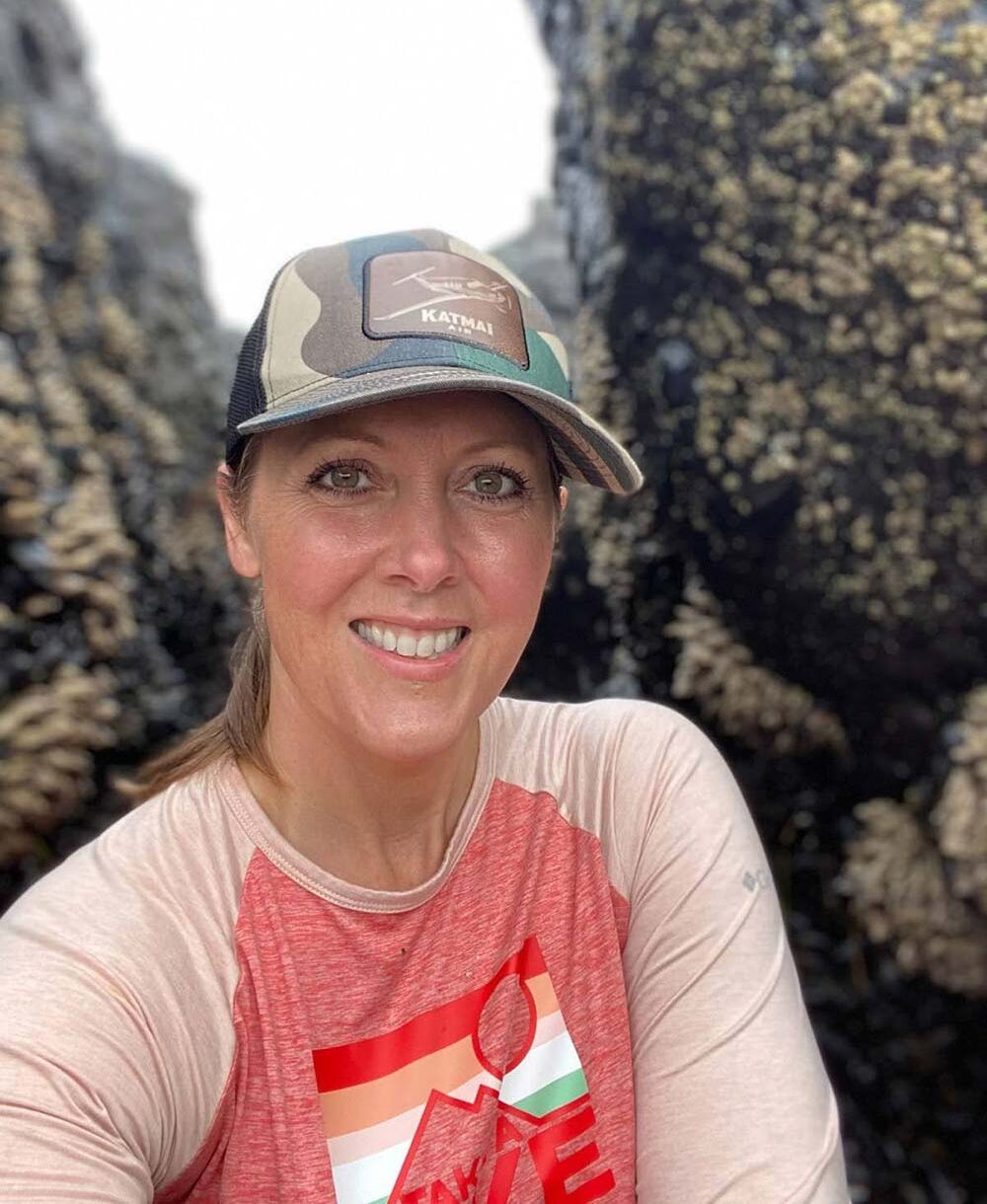
I spent ten years struggling with drugs and alcohol before a wilderness intervention at 23 changed everything. Out there in the cold with just a tarp and paracord, I discovered my gift: being a catalyst for change, and walking alongside others through their own healing. Since then, I’ve navigated marriage betrayal and nearly a decade managing an undiagnosed autoimmune condition. I don’t just have textbook knowledge of hard things. I have a lived understanding of what it takes to find your way through them.
I’m a licensed clinical social worker with 18+ years of clinical experience, and I chose to transition to therapeutic life coaching because I wanted to offer something more personal, more flexible, and more focused on you as a whole person.
What makes this different:
If something from your past is ready to be worked through, I’m here for it.

EMDR isn’t one thing. It’s a process that moves through stages, each one building on the last. Here’s what that actually involves in our work together.
Before any reprocessing begins, I take time to understand what’s going on for you, what you’re carrying, and what you want to change. This isn’t just a formality. The history-gathering phase helps us identify which memories or experiences are doing the most work underneath the surface. We look at the full picture, not just the presenting concern, so we’re targeting the right things when the deeper work begins.
Before moving into reprocessing, I make sure you have a stable foundation to work from. This means building out grounding and calming skills, so you have somewhere to come back to if a session brings up something intense. EMDR doesn’t just throw you into the deep end. We build your capacity first, so that when we start moving through the harder material, you’re resourced enough to handle it.
This is the core of EMDR. During reprocessing sessions, you hold an aspect of the target memory in mind while I guide bilateral stimulation, most commonly using guided eye movements. The stimulation helps the brain process the experience differently than it has been. It’s not reliving the memory. It’s more like the brain finally getting a chance to file it properly. Most people notice that the emotional charge connected to the memory gradually shifts over the course of the processing work.
EMDR doesn’t stop when the session ends. The brain often continues processing in the days that follow a reprocessing session. Some people notice new insights, shifting emotions, or vivid dreams as the material continues to move through. This is normal and often a sign that the process is working. Between sessions, I’ll give you simple guidance on what to pay attention to and how to take care of yourself. By the end of a course of EMDR work, most people find that what used to feel present and charged now feels like something that happened, not something still happening.
I’ve been delivering EMDR virtually for years, and the process works remarkably well online. First, I will guide you on which thera-tappers to purchase for EMDR that will provide the bilateral stimulation needed during our EMDR sessions. Next, be sure you have a stable internet connection and a private space. Then the work begins. Research and clinical experience both support the effectiveness of virtual EMDR, and many people find it more accessible and comfortable than in-person sessions.
EMDR is best known for trauma, but the reach of this approach goes further than most people expect. Here are some of the mental health concerns and life challenges where I use EMDR in my coaching work.

Your first session is a conversation, not a dive into the deep end.
There’s no pressure to share more than you’re ready to. My job in that first session is to make sure you feel grounded and oriented before we ever move into any reprocessing work. You’re in control of the pace from the very beginning.

EMDR stands for Eye Movement Desensitization and Reprocessing. It’s an evidence-based psychotherapy approach developed by psychologist Francine Shapiro in the late 1980s, originally designed to address trauma and PTSD. Today, it’s used for a wide range of traumatic experiences, including anxiety disorders, grief, low confidence, and life transitions.
EMDR therapy involves using bilateral stimulation, most commonly guided eye movements, to help the brain reprocess distressing memories and traumatic experiences that got stuck. Research shows this approach is rooted in the way the brain naturally processes memories during REM sleep. EMDR mimics and accelerates that process, helping the brain move from emotionally charged to genuinely in the past. This structured process works equally well online as it does in person.
EMDR follows a structured eight-phase model. In therapeutic coaching, the phases are the same, but the framing is goal-oriented rather than clinical. Here’s what those phases look like in practice:
Understanding your background, what you’re working on, and what we’ll target.
Building stabilization and grounding skills so you’re resourced before reprocessing begins.
Identifying the specific memory, associated belief, body sensation, and level of distress, we’ll target.
The active reprocessing phase uses bilateral stimulation to reduce the emotional charge connected to the target.
Strengthening the positive belief that replaces the negative one connected to the target memory.
Checking for any residual tension in the body connected to the target memory before closing.
Returning to a grounded, stable state at the end of each session, whether or not processing is complete.
Reviewing progress at the start of the next session before continuing the work.
EMDR is highly effective, but it’s worth going in with clear expectations. A few things people sometimes find challenging:
For most people, the temporary discomfort is part of the process of working. The preparation I built in at the start of our work together exists specifically so you’re resourced before we touch any of the harder material. Nothing happens before you’re ready.
The most discussed controversy around EMDR is whether bilateral stimulation itself is the active ingredient, or whether the outcomes come from the structured, focused exposure to difficult memories. The research consistently shows that EMDR works. The scientific conversation is more about exactly why it works than whether it does.
For the people I work with, the controversy is mostly academic. What matters is the result. EMDR has decades of research support, endorsement from the World Health Organization and the Department of Veterans Affairs, and a strong track record for trauma, anxiety, and related issues.
EMDR isn’t appropriate for everyone in every situation. I would not move forward with reprocessing work in the following circumstances:
If EMDR isn’t the right fit for you right now, I’ll be straightforward about that and help you find the right level of support. My intake process is designed to make sure we’re a genuine match before we begin.
This is an important distinction. My EMDR work is delivered as therapeutic life coaching, not clinical therapy. I don’t diagnose, prescribe, or treat mental health conditions in a clinical sense. If you’re managing a psychiatric condition that requires medication, a psychiatrist is the appropriate provider for that piece. Coaching and psychiatry are not mutually exclusive. Many people work with both simultaneously. If you’re unsure which level of support you need, we can talk through that during a free consultation, and I’ll point you in the right direction.
You might. Tears are a normal part of processing for many people, and they’re not something to be alarmed by. EMDR works directly with emotional material, and sometimes the processing brings up emotion before it settles. That’s often the process working, not something going wrong.
Not everyone cries, and not every session brings strong emotion. Some people feel calm or even neutral during reprocessing. The experience varies from person to person and session to session. What matters is that you feel safe, and that’s something I pay close attention to throughout our work.
People vary in how they feel immediately after. Some feel lighter, even relieved. Others feel tired, emotionally wrung out, or a little raw. Both are common. EMDR asks the brain to do real work, and sometimes there’s a recovery period in the hours that follow.
In the 24-48 hours after a reprocessing session, the brain is still doing work. A few things can interfere with that process:
Light walks, journaling, rest, and gentle activities support what the brain is doing after a session. If anything feels overwhelming between sessions, reach out, and we’ll address it before our next scheduled time.
EMDR is one of the more time-efficient approaches for trauma and related issues. Some people work through a single event in as few as 3-6 sessions. More complex histories, or issues rooted in long-term patterns, typically take longer. I offer a single session at $200.
For many people working on a specific memory, event, or pattern, a focused block of 5 sessions creates a meaningful shift. Some people continue with another package from there. We reassess progress together as we go, so the plan stays responsive to where you actually are rather than a fixed schedule.
EMDR tends to work best for people who are motivated and ready to engage with a structured process. The ideal fit is someone who has something specific they want to address, even if it connects to a larger pattern, and who is stable enough to engage with focused reprocessing.
I’m selective about who I work with, not to gatekeep, but because EMDR works best when it’s a genuine match. The free consultation exists to figure out if that’s us before we commit to anything.
Yes. Research shows EMDR is highly effective for treating PTSD symptoms and trauma-related issues. It’s endorsed by the World Health Organization, the American Psychiatric Association, and the Department of Veterans Affairs as an evidence-based psychotherapy for PTSD. Studies consistently show it produces emotional healing faster than traditional talk-based approaches.
People who come to EMDR for trauma often describe a shift that feels qualitatively different from other approaches they’ve tried. The memory is still there, but the emotional charge changes. What used to feel present and raw starts to feel like something that happened, not something still happening.
For many people, the changes that come from EMDR hold over time. Once the brain has processed a memory, that processing generally doesn’t reverse when sessions end. Research on long-term EMDR outcomes shows that gains are typically maintained well after treatment concludes.
Complex trauma or long-standing patterns may require more than one course of EMDR work. New events can also create new targets. EMDR isn’t a one-time fix for everything, but for many people, the shifts it creates are lasting, and the difference they describe is real.
Some people do notice significant relief after just a few sessions, particularly when working on a single, clearly defined memory or event. That’s real, and it happens. But EMDR isn’t a quick fix in the way that phrase is usually meant. The processing takes the time it takes. What I can tell you is that most people notice meaningful shifts sooner than they expected, and that those shifts tend to hold.
Yes. I deliver all of my EMDR therapy sessions online via a secure video conferencing platform and teach my clients how to use their purchased thera-tappers. Helping individuals through online EMDR therapy virtually is something I’ve been doing for years. You don’t need to be local, and only need to purchase a set of thera-tappers for the bilateral stimulation. Virtual EMDR is well-researched and effective, and many people find it more accessible and comfortable than in-person and online hybrid arrangements.
Sessions are conducted through a secure video conferencing platform that adheres to strict confidentiality standards and HIPAA compliance. Your sessions are private and confidential under the same professional and legal standards that apply to in-person work. As a licensed therapist and EMDR-trained specialist, I take confidentiality seriously and will walk you through the specifics during our first session so you know exactly how your information is protected.
Getting started is straightforward. You book a free initial consultation, we talk for about 20-30 minutes, you share what’s going on, and I explain how I work. There’s no pressure and no commitment. That conversation exists to make sure we’re a genuine fit before anyone invests anything.
I don’t hand you a rigid plan at the outset. The treatment plan develops from your story and what you want to change. We review and adjust as we go. Some people have a clear target in mind from day one. Others need the first few sessions to clarify what we’re actually working on. Both are fine. The plan follows you, not the other way around.
The gold standard for EMDR training is set by the EMDR International Association, known as EMDRIA. EMDRIA-trained practitioners complete a structured training program that includes didactic instruction, supervised practice, and a required number of EMDR sessions delivered under consultation. When looking for an online EMDR specialist, EMDRIA training or certification is the benchmark to look for in a qualified and highly rated provider.
As a licensed clinical social worker and experienced EMDR practitioner, I bring 18+ years of clinical experience to this work. My training is grounded in evidence-based psychotherapy and best practices for delivering EMDR online. I also integrate cognitive behavioral therapy (CBT) and other treatment modalities to support the work, offering individuals a comprehensive, supportive environment for healing.

A free consultation is how we begin. We’ll talk about what you’re carrying, I’ll share how I work, and together we’ll figure out whether this is the right next step for you. No pressure. No commitment. Just an honest conversation about where you are and where you want to be.